Car Insurance Basics-Every Driver Must Understand
Car insurance is a major concern of car ownership. No matter if you drive every day or every few days you want to be sure you’re protected from liability for accidents, thefts and damages along with other unpredictable events. Many buy it blindly and really do not have an understanding of what their policy entails, how a claim can affect your costs or what plan is best for them. Here I will attempt to clarify in plain language some basic information on car insurance to help you make better choices.
What is car insurance?
Car insurance is an agreement between you and the insurance company. You make a fixed payment known as a premium, in return for which the insurance company provides certain cover against certain losses involving your vehicle. Insurance covers damages related to: –
Cost of repair after an accident
Losses incurred by a third party
Theft of a vehicle
Fire damage to your vehicle
Damage from natural calamities
Medical costs to a certain extent
Most countries require car insurance before you can drive on a public highway,
The value of Car Insurance
While most drivers view car insurance as a legal necessity, the value of carrying car insurance runs much deeper. In the absence of car insurance, the smallest car accidents can result in a great deal of:
Expensive repairs
Fines and legal troubles
Financial distress
Damage liability
By carrying car insurance, you provide yourself with comfort and ensure your savings are not depleted by such circumstances.
The primary types of Car Insurance
There are two types of car insurance that drivers ought to understand.
- Third Party cover
This is the basic cover required by law in most places. It covers the damage caused by you to other people or their property. This means that if you crash into another vehicle, or hit someone or damage their property as you drive, the insurance will pay to fix it. However, it won’t cover the damage to your own car. This insurance is generally cheaper, but does not offer a great amount of protection.
- Comprehensive insurance
Comprehensive insurance has a greater scope. It typically covers:
Your own vehicle damage
Third-party liability
Theft
Fire damage
Natural hazards
Vandalism
Although insurance policies for this category are more expensive, the financial protection offered is considerably higher.
What Is Normally Covered by car Insurance?
The type of coverage you will receive varies depending on the company and the policy type; however, standard cover includes the following:
Accident Damage
This will cover the cost of repairs after an accident, provided the terms of the policy allow this.
Theft
This will compensate you for the cost of your vehicle if it is stolen.
Fire damage
This will cover the costs if your vehicle is damaged due to fire, though it is generally included in a comprehensive policy only.
Natural Disasters
If your car is damaged in floods, storms, sandstorms or hailstorms, some policies cover the costs of this.
Third Party Liability
This policy covers you in cases of you causing damage to someone else’s car or causing someone else’s injury.
Medical Expenses
This will cover medical expenses caused by an accident, although there is usually limited coverage.
What typical car insurance will NOT cover:
Also, insurance policyholders must understand the exceptions in the contract. Many don’t realise the extent until the policyholder tries to make an insurance claim that the insurance company will not allow.
Typical exclusions:
- No valid licence
- Drunk driving
- Wilful acts or vandalism
- Criminal acts
- Speed racing
- Normal wear and tear
- Mechanical defects due to an accident.
- Always read the policy document.
How insurance premiums are calculated
Your insurance premium is calculated using various factors
Driver’s age – Young or inexperienced drivers may have to pay a higher insurance premium as they are deemed high risk.
Driver’s record – Drivers with an accident-free driving record are more likely to pay a lower rate for car insurance.
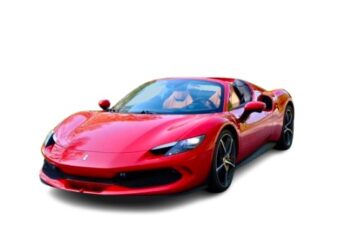
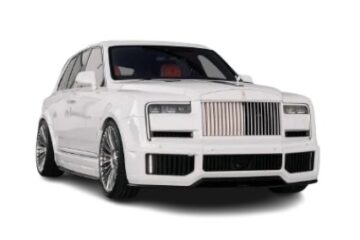
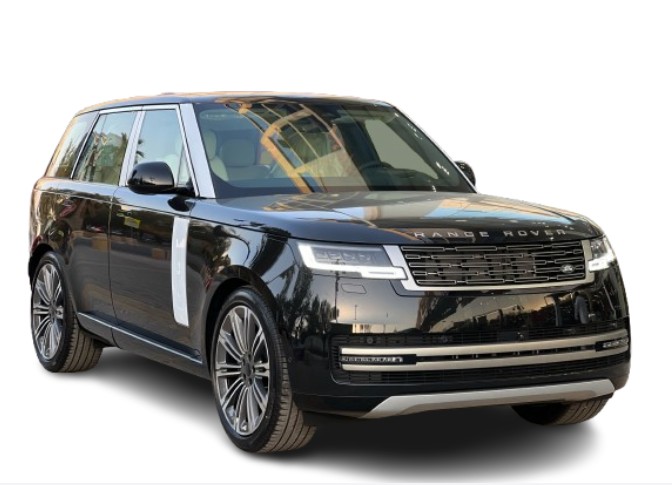
The type of car – cars that are luxury, sport or expensive cars will have a higher insurance premium.
Value of the car – Vehicles that have a higher value may have to pay a higher insurance premium.
Where you live – The insurance premium may differ between towns or cities.
Type of insurance coverage – Comprehensive insurance premiums are more expensive, as it provides more cover compared to third-party insurance.