Used Car inspection guide for smart buyers
Used cars can be incredibly cheap, as long as you buy the correct vehicle. Most buyers will not bother to check their car properly and will soon regret it when their repair bills rack up, or they find out about the hidden damage or potential legal problems involved in their purchase. No matter what your source (a dealer or private seller), checking the vehicle carefully is very important.
This guide will help you work out how to inspect a used car prior to purchase and the warning signs you cannot afford to overlook.
1. Examine the Outside
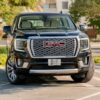
The first thing you will want to examine when looking at a vehicle is the outside. Pace the car at a slow, steady pace looking at each corner.
Inspect the following:
- Paint for scratches, dings, etc.
- Rust on car.
- Inconsistent paint job (see below).
- Doors and bumpers not properly aligned.
Examine the spaces between each car panel and door. Gaps that are inconsistent indicate a problem or prior accident.
2.Check the tires
The tires can give you a good indication as to how the car is being kept.
The wear of the tires to look out for are;
Irregular wear on the tire
Cracks in the old rubber
Different brands of tire on each wheel
Tread depth
Irregular wear is generally due to the cars suspension or alignment and new tires can also be extremely expensive, so take an extra look.
3. Look under the car:
Many people overlook this critical point, but checking under the car is essential.
Look under the car for:
Oil leaks
Rust
Broken parts
Drips
Fresh oil can point to engine or transmission issues. Significant rust under the car is another sign to look out for, particularly with older vehicles.
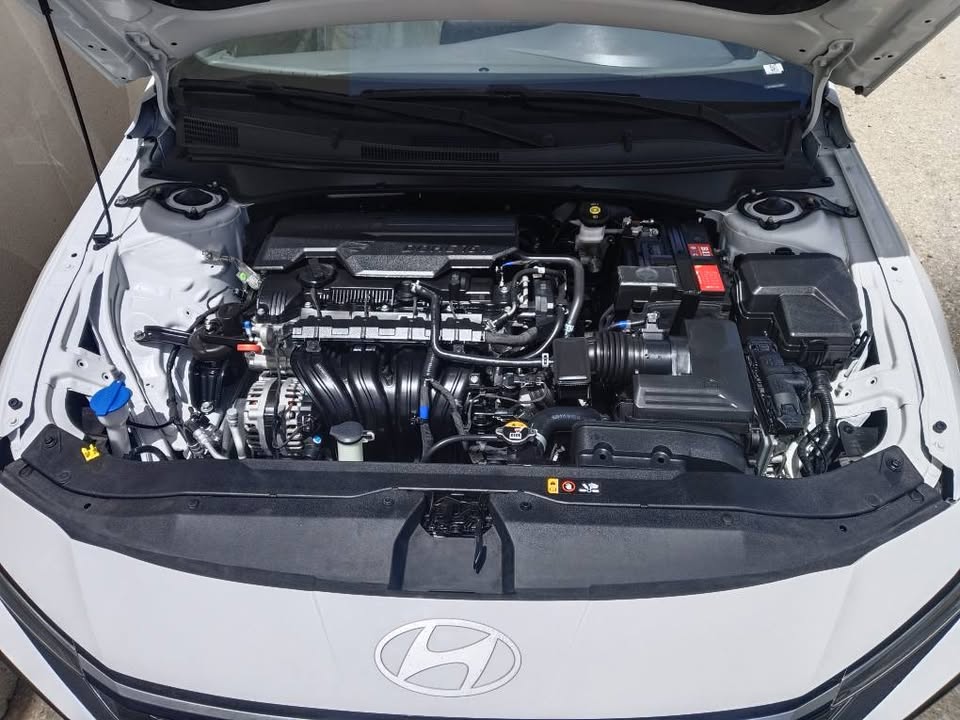
4. Check the engine bay:
Pop open the hood and investigate the engine compartment.
Check the:
Oil level and colour
Coolant level
Battery condition
Loose wires
Leaks around the engine
The engine bay should appear reasonably clean but definitely not suspiciously pristine. Many vendors thoroughly clean the engine compartment to hide fluid leaks.
Very dark, black, milky, or sludgy engine oil is a sign of poor maintenance, and possible engine damage.
5. Start the engine in the right way
When the engine is cold if possible. A cold start tells more about many issues which are hidden. Listen for: Strange noise, Abnormal vibrations Smoke coming from the exhaust lights appearing on the dashboard. Blue smoke can be an issue with the oil burning, while white smoke means that coolants are leaking, and black smoke signifies the possibility of fuel system failures. The engine should be smooth and not vibrate at all.
6. Examine the interior of the vehicle
The condition of the car’s interior may indicate how previous owners treated their vehicle. Examine: Seats and upholstery, Dashboard’s condition, AC system is functioning properly. Infotainment system, power window, steering wheel buttons and interior lights. If the car’s interior is destroyed with a low odometer reading, it’s likely that the odometer was reset to a new level. Don’t forget to inspect the air conditioning, as its repair costs are very high in Gulf countries as a result of extreme temperatures
7. Check the Mileage:
The mileage is a major aspect of used car pricing, but some sellers will have an odometer rolled back in order to get a higher price for a car with more kilometres. Warning signs that the mileage has been rolled back are the worn-out condition of the steering wheel, pedals and the driver’s seat. The condition of the inside of the car may also contrast with the kilometres on the clock – that is, the inside may look as if the car has completed a great deal more kilometres. You need to consider the overall condition of the car against the kilometre reading.
8. Test Drive:
Never buy a car that has not been test-driven for some time over a variety of conditions and speeds. During the drive:
Check all braking and steering. The steering should not drift or pull to one side when you are not applying force to the wheel. When braking, you should not feel that the steering is wavering or pulling in any direction.
Check the gear change. It should move easily without hesitation, even when the engine is being accelerated in higher gears.
Check the suspension. Try driving over bumpy roads to determine that there is no ‘bottoming out’ and that it feels comfortable and composed.
Accelerate the engine. When it is applied, the engine should accelerate quickly and without hesitation.
9. Check Vehicle History
You need to request from the seller the accident history, service history, registration and insurance documents. It is imperative to check the vehicle history before parting with your money. You should ask the seller to provide you with: Accident history, service history, registration papers and insurance papers. Cars that have been well-maintained and serviced have generally shown themselves to be safer than those that have been under-serviced or not serviced at all. Where possible, check the accident records using any vehicle history checking services available in your country.
10. Check the chassis number or VIN
Every car or vehicle has a Vehicle Identification Number (VIN) which is also referred to as chassis number. Before buying ensure that the chassis number matches that of the registration papers, is it also in good condition without any scratch or damage in the vicinity and is the plate it is inscribed on still original and not tampered with? A mismatching VIN often indicates a stolen vehicle or a modified vehicle with questionable origins.